
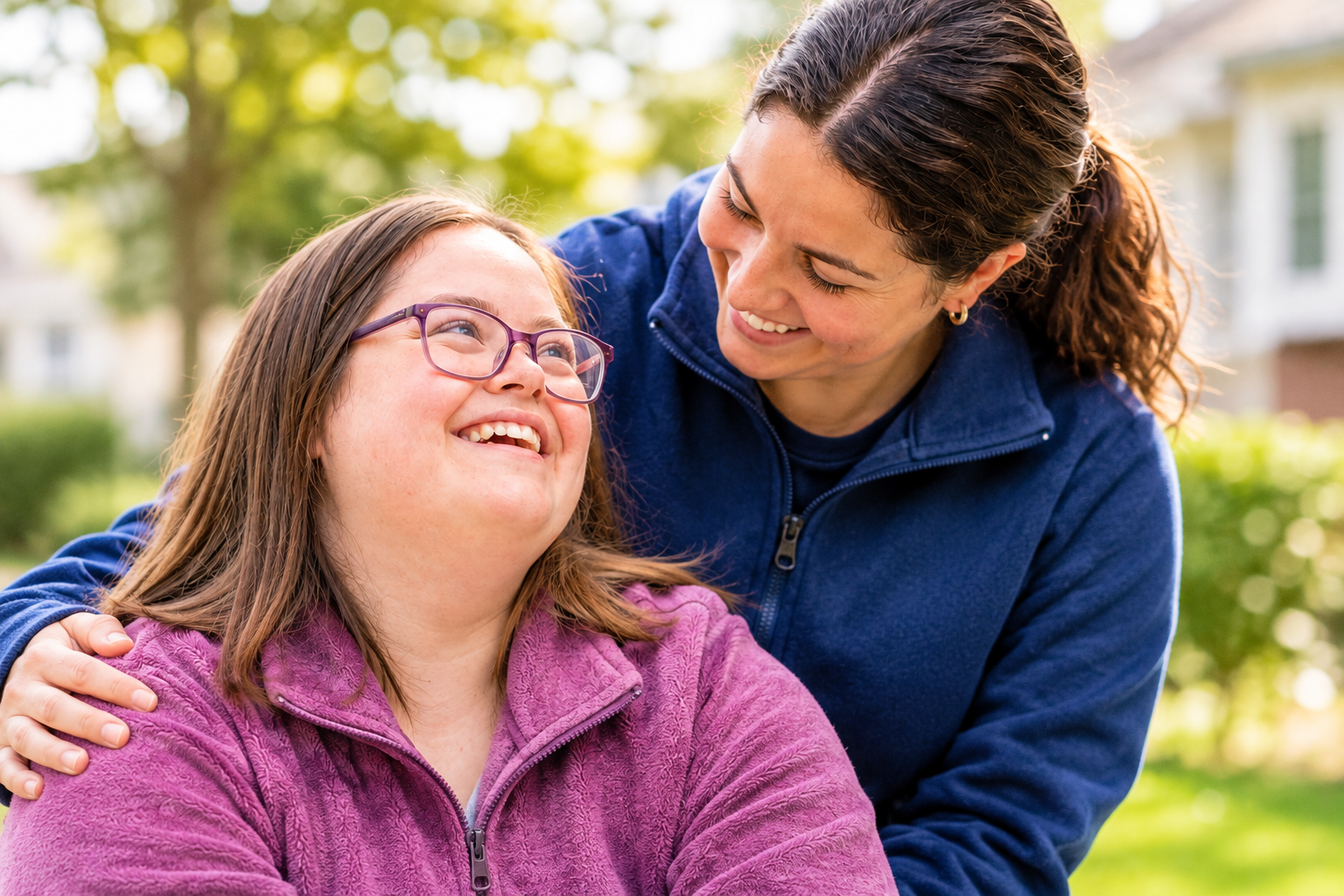
For people with disabilities, having the opportunity to live independently, make choices, and be active members of their communities is about more than access to services. It is about having the support, resources, and opportunities to live fullfilling lives.
Medicaid Home and Community-Based Services (HCBS) play an essential role in making that possible. These services help individuals with disabilities receive the support needed while living in their own homes and communities.
At South Shore Support Services (SSSS), we see firsthand how important these supports are in helping individuals build independence, develop meaningful relationships, and participate in community events.
What Are Medicaid Home and Community-Based Services?
Medicaid Home and Community Based Services (HCBS) provide funding for a wide range of supports that help people with disabilities live as independently as possible. These services can include assistance with everyday activities, personal care, medication reminders, meal preparation, transportation, employment support, and community participation.
Behind these services are dedicated Direct Support Professionals (DSPs) who work alongside individuals to help them achieve their goals, make their own choices, and navigate daily life.
HCBS are important because they:
Promote independence: Individuals receive the support they need while maintaining greater choice and control over their daily lives.
Support health and well-being: People can access assistance with everyday needs and receive support in familiar community settings.
Strengthen communities: Individuals have opportunities to build relationships, participate in activities, pursue employment, and contribute to their communities.
Provide an alternative to institutional care: Community-based services often cost less than institutional settings while allowing people to remain connected to their families and communities.
Why Is Medicaid HCBS Funding at Risk?
Medicaid is a critical source of funding for disability services across the country. However, recent federal legislation enacted in 2025 includes nearly $1 trillion in projected reductions to federal Medicaid spending over the next decade.
These changes create significant challenges for states as they work to maintain essential services while facing increased financial pressure. For programs that are already experiencing workforce shortages, limited resources, and growing demand, the potential impact is especially concerning.
When Medicaid funding is reduced, states may face difficult decisions that affect access to home and community-based services. This could mean longer waiting lists, fewer available support hours, reduced provider resources, and fewer opportunities for people with disabilities to receive the services they need.
Why Protecting These Services Matters
Community-based services are about more than providing assistance with daily tasks. They help people live lives that reflect their own goals, interests, and choices.
Without consistent access to these supports, individuals may lose opportunities to participate in their communities, pursue employment, build friendships, and maintain the independence they have worked hard to achieve.
At South Shore Support Services, our mission is centered on living a meaningful, connected, and fulfilling life. Protecting Medicaid HCBS is essential to ensuring that these opportunities remain available, not just today, but for future generations.
How You Can Help
Protecting Medicaid Home and Community-Based Services requires a collective effort. Individuals with disabilities, families, service providers, advocates, and community members all have an important role to play.
The Arc is encouraging people across the country to contact their members of Congress and urge them to protect Medicaid HCBS funding.
Your voice matters. By reaching out to elected officials and sharing why these services are important, you can help ensure that people with disabilities continue to have access to the supports they need to live and thrive.
Take action and send a message to Congress.


